Mário de Andrade Library hosts final performance of the trilogy inspired by Grande Sertão: Veredas on Monday (26)

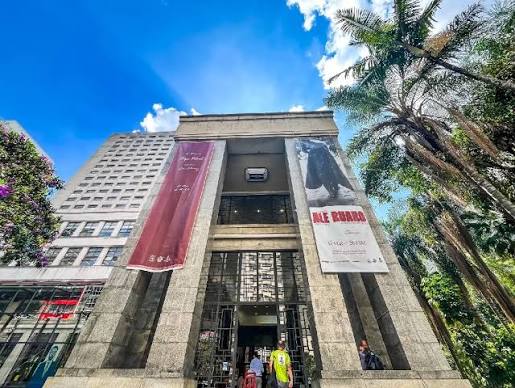
São Paulo City Hall hosts this Monday (26), at the Mário de Andrade Library, the final performance of the Grande Sertão: Veredas Trilogy project, celebrating the 70th anniversary of João Guimarães Rosa’s novel. The closing will be the show “O Julgamento de Zé Bebelo” (“The Trial of Zé Bebelo”), directed by Amir Haddad and performed by Gilson de Barros, with free admission, starting at 7 p.m.

The commemorative program, carried out by the Municipal Department of Culture and Creative Economy, began in August with free activities in municipal libraries. The schedule included workshops, shared reading, meetings with artists and researchers, and a talk with actor Gilson de Barros, who presented the trilogy inspired by the book.

Published in 1956, Grande Sertão: Veredas is one of the main novels in Brazilian literature. The work follows the memories of Riobaldo, a former gunman who narrates his experiences in the backlands and reflects on themes such as love, courage and the limits between good and evil. The performance takes place at 7 p.m. in the Rubens Borba de Moraes Auditorium, with free admission and tickets handed out one hour before the start.

Event details

O Julgamento de Zé Bebelo — Grande Sertão: Veredas Trilogy

  • When: Monday (26), at 7 p.m.
  • Where: Mário de Andrade Library — Rubens Borba de Moraes Auditorium
  • Admission: free, with tickets handed out one hour before the show
  • Age rating: 16 years

City Hall brings craft fairs to different regions of São Paulo in November

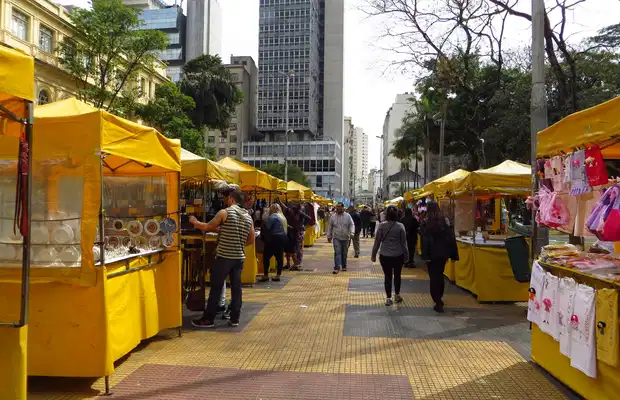
Anyone looking for original products, home decor, creative gifts and handmade pieces will have plenty of reasons to support São Paulo’s crafts in November. Throughout the month, artisans and crafters from the Mãos e Mentes Paulistanas Program will be at fairs held in different regions of the city, offering the public a wide variety of products that combine creativity, cultural identity and entrepreneurship.

Promoted by São Paulo City Hall, the fairs are part of the program’s market access actions and contribute to generating income for thousands of artisans in the capital.

“The Mãos e Mentes Paulistanas fairs are a showcase of the city’s talent, creativity and cultural diversity. By promoting sales opportunities in different regions of São Paulo, City Hall strengthens income generation, expands market access for artisans and brings the public closer to original products that carry history, identity and innovation. It is a policy that values manual work and boosts the creative economy across the capital,” says Rodrigo Goulart, Municipal Secretary of Economic Development and Labor.

Today, Mãos e Mentes Paulistanas has more than 10,000 registered artisans and has already generated more than R$ 5.3 million in income through fairs, stores, kiosks and sales events.

Among the highlights of the schedule are events held at cultural centers, public spaces, partner institutions and high-traffic commercial venues, expanding contact between creative entrepreneurs and consumers interested in valuing handmade work and local production.

During the fairs, visitors will find decor items, accessories, handmade fashion, creative stationery, toys, sustainable products, utilitarian pieces, works of art and many other creations made by the city’s artisans and crafters.

In addition to encouraging the creative economy, the fairs also bring the public closer to local craft production, valuing the work of those who turn knowledge, technique and creativity into business opportunities.

Those interested in joining the program can register through this link.

Schedule

  • Parque Alto da Boa Vista Fair — November 8 and 22, 2026, 10 a.m. to 5 p.m. Parque Alto da Boa Vista, Rua Vigário João de Pontes, 779 – Santo Amaro.
  • Câmara de Portas Abertas Fair — November 14 and 28, 2026, 11 a.m. to 4 p.m. São Paulo City Council (Câmara Municipal de São Paulo), Viaduto Jacareí, 100 – Bela Vista.
  • Mesa SP 2026 — November 12, 13 and 14, 2026. Memorial da América Latina, Av. Mário de Andrade, 664 – Barra Funda.
  • Craft Fair at Virada Sustentável — November 5 and 6, 2026, 10 a.m. to 8 p.m. Centro Cultural São Paulo (CCSP), Rua Vergueiro, 1000 – Liberdade – São Paulo/SP.
  • III Festa da Padroeira de Santa Cecília (3rd Santa Cecília Patron Saint Festival) — November 14, 2026. Largo de Santa Cecília (reference: Rua Sebastião Pereira, 245).
  • Boulevard Shopping West Plaza Fair — November 6–8, 20–22 and 27–29. Boulevard Shopping West Plaza, Av. Francisco Matarazzo, s/n – Água Branca.
  • Praça do Patriarca Fair — November 9–13, 16–19 and 23–27, 10 a.m. to 5 p.m. Praça do Patriarca – Centro.
  • Praça da Sé Fair — November 9–13, 16–19 and 23–27, 10 a.m. to 5 p.m. Praça da Sé – Centro.
  • Largo São Bento Fair — November 9–13 and 23–27, 10 a.m. to 5 p.m. Largo São Bento – Centro.
  • Parque Buenos Aires Fair — November 8, 15, 22 and 29, 10 a.m. to 5 p.m. Av. Angélica, 1500 – Higienópolis.
  • Mercado Municipal da Penha — November 7 and 21, 10 a.m. to 7 p.m. Av. Gabriela Mistral, 160.
  • Mercado Municipal Antonio Meneghini — November 6 and 7, 13 and 14, 21, 27 and 28, 10 a.m. to 7 p.m. Praça das Canárias, s/n – Vila Formosa.
  • Parque do Carmo — November 8, 15, 22 and 29, 10 a.m. to 5 p.m. Avenida Afonso de Sampaio e Souza, 951 – Itaquera.
  • Mercado Municipal de São Miguel Paulista — November 3–7, 9–14, 16–21 and 23–28, 10 a.m. to 5 p.m. Avenida Marechal Tito, 567 – Cidade Nitro Operária.
  • Parque Cidade de Toronto — November 8, 15, 22 and 29, 10 a.m. to 5 p.m. Avenida Cardeal Motta, 84 – City América.
  • Parque do Trote — November 8, 22 and 29, 10 a.m. to 5 p.m. Rua Nadir Dias Figueiredo, s/n – Vila Guilherme.
  • Sacolão da Freguesia do Ó — November 7 and 14, 10 a.m. to 4 p.m. Avenida João Paulo I, 2107 – Jardim Maracanã.
  • Santana neighborhood — November 9–13 and 23–27, 10 a.m. to 5 p.m. Corner of Rua Leite Morais and Avenida Cruzeiro do Sul.
  • Parque Jardim das Perdizes — November 8, 15, 22 and 29, 10 a.m. to 5 p.m. Rua Marc Chagall, s/n – Água Branca.
  • Mercadão das Flores — November 7 and 21, 9 a.m. to 5 p.m. Rua Hayden, 105 – Vila Leopoldina.
  • Halloween at Largo da Batata — October 31, November 1 and 2, 2026, 11 a.m. to 9 p.m. 12 spots, 4 per fair day. Largo da Batata, Avenida Brigadeiro Faria Lima, s/nº – Pinheiros.
  • Parque Cordeiro – Martin Luther King — November 8, 15, 22 and 29, 10 a.m. to 5 p.m. Rua Breves, 968 – Chácara Monte Alegre.
  • Parque Severo Gomes — November 1 and 15, 10 a.m. to 4 p.m. Rua Pires de Oliveira, 356 – Granja Julieta.
  • Parque Morumbi Sul — November 8, 15, 22 and 29, 10 a.m. to 5 p.m. Rua Lira Cearense, 630 – Campo Limpo.
  • Leroy Merlin Interlagos Craft Fair — November 21, 22, 28 and 29, 11 a.m. to 7 p.m. on Saturdays and 11 a.m. to 5 p.m. on Sundays. Leroy Merlin Interlagos.
  • CEU Alvarenga Anniversary — November 7, 11 a.m. to 4 p.m. CEU Alvarenga, Estrada do Alvarenga, 3752.
  • Praça Dom Gaspar — November 7 and 8, 10 a.m. to 5 p.m. Praça Dom Gaspar, around the Mário de Andrade Library, in front of Galeria Metrópole, near the corner of Avenida São Luís and Rua da Consolação.
  • Brooklin Taste Craft Fair — November 14 and 15, 2026, 11 a.m. to 8 p.m. Praça Lions Monções, between Rua Arandu and Rua Florida – Brooklin.

World Stroke Day: why it matters to prevent and recognize the signs of a stroke

The health calendar highlights October 29 as World Stroke Day. Stroke is the second leading cause of death in Brazil and the main cause of disability in the world. It occurs when the vessels that carry blood to the brain become blocked or burst, causing the death of the area left without circulation.

According to nurse Marisa Malvestio, who is part of the Care Projects Unit of the Mobile Emergency Care Service (Samu 192), almost 2 million neurons are lost every minute during a stroke if it is not treated.

“That is why the person next to you is the key to getting help, saving a life or minimizing after-effects.”

According to Ministry of Health studies, one in four people will have a stroke in their lifetime. And although it is more common among people over 60, ministry data show that more and more people from age 45 onward have been affected.

In São Paulo’s municipal network, 9,394 people were hospitalized for ischemic or hemorrhagic stroke between January 2023 and July 2026, according to data from the Epidemiology and Information Coordination Office (CEInfo) of the Municipal Health Department (SMS).

Ischemic stroke, which accounts for 85% of cases, occurs when a clot blocks a blood vessel, preventing blood from reaching part of the brain, while hemorrhagic stroke happens when a blood vessel ruptures, causing bleeding inside or around the brain.

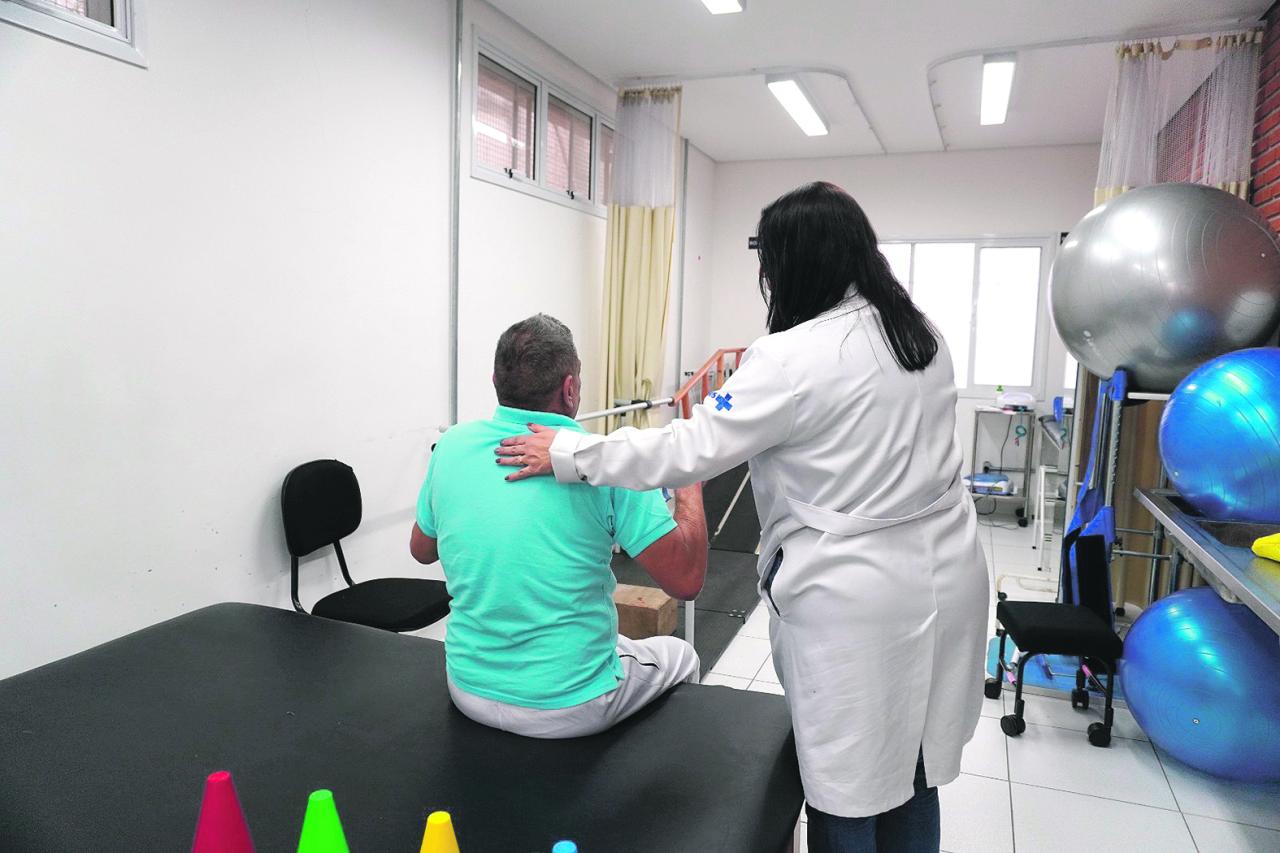
If patients do not receive appropriate treatment in time, they may be left with serious after-effects or even die. The guidance is to watch for sudden weakness or tingling in the face, arm or leg, especially on one side of the body. Mental confusion, changes in speech or comprehension, changes in vision in one or both eyes, loss of balance or motor coordination, dizziness or difficulty walking, and a sudden or intense headache with no apparent cause are among the warning signs.

“You are near a person who suddenly starts to slur their words, stuttering, struggling to articulate. But they were talking normally with you a minute ago… that can be a sign. Or the person was walking just fine and suddenly loses control, loses their footing, falls. They can no longer walk, they lost their balance. Suddenly, their mouth droops to one side. All of these are signs of a stroke,” explains Marisa.

The nurse also gives tips on how to recognize a possible stroke, especially when symptoms appear suddenly. “It is a small assessment that any citizen can perform to make sure that, yes, a stroke may be happening at that moment.”

Three important steps

  • Look at the person face to face and ask them to smile or show their teeth;
  • Ask them to say a simple sentence;
  • Lastly, ask them to raise their arms and keep them raised. If necessary, you can help the person lift them and then release them. If one of them drops, it is a sign.

These changes require immediate care. However, Marisa stresses that all three signs do not need to be present to suspect a stroke. With a suspicion and one sign, the guidance is to call Samu immediately at 192, stating, if possible, the time the symptoms began, so the team can send the patient to the appropriate service.

It is essential that care takes place within a window of four and a half hours, related mainly to the possibility of thrombolytic treatment in eligible patients with ischemic stroke. The nurse stresses that this period should not be seen as a deadline to wait before seeking help, nor as a limit for all treatments.

In the capital, the Stroke 360 Care Line, started by the Municipal Health Department (SMS), promotes the integration of urgent and emergency services and hospital care to speed up treatment. The patient is referred to the appropriate hospital, with a CT scan and access to the indicated treatments. “But it is important to call Samu in time,” Marisa stresses.

Healthy lifestyle

Changing your routine is essential to prevent strokes and other cardiovascular diseases. The first step is regular blood pressure monitoring, which should be 12 over 8. Hypertension has no cure, but regular treatment is vital.

Keeping an ideal weight helps control hypertension, diabetes and cholesterol. If there are many cases of heart disease in the family, take precautions early. The Basic Health Units (UBSs) in the municipal network are open to offer guidance and treatment.

Neurologist Arthur de Medeiros Dias, who coordinates the stroke care line at Ermelino Matarazzo Municipal Hospital, in the East Zone, is firm about adopting a healthy lifestyle. “Avoid smoking, try to sleep better, control alcohol intake, adopt a diet rich in fruits, vegetables, legumes, grains and lean proteins,” he lists, also highlighting the importance of at least 150 minutes a week of regular physical activity. “Is your day going to end late at night? Wake up half an hour earlier and walk around the building. You need to stop for half an hour to walk. No space? Put on some music and walk down the hallway at home, but walk,” the doctor advises.

To learn more about the signs of stroke, heart attack and seizures, watch the SaúdeCastSP episodes with nurse Marisa Malvestio and neurologist Arthur de Medeiros Dias. The episodes are in Portuguese.

City Hall holds two food-freezing workshops in November

São Paulo City Hall is bringing two sequential classes on efficient food-freezing techniques to the city’s North Zone on November 10 and 17, from 1 p.m. to 4 p.m., with nutritionist Legiane Rigamonti, former host of a program on healthy eating. The workshops are free, with online registration through Sympla. No experience in the food field is required, and minors may attend as long as they are accompanied by a parent or guardian.

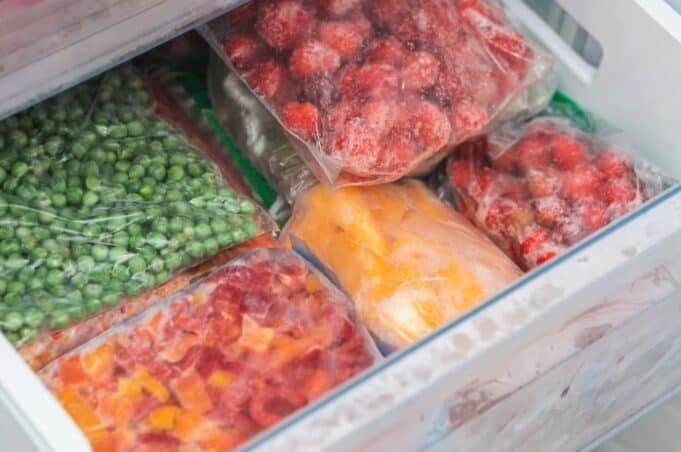
On the 10th, the class is dedicated to the theory of food freezing. Students will also learn the advantages over the conventional cooling of home refrigerators. On November 17, it will be time for the hands-on class, where students will put into practice what they learned the week before. They will get tips on how to choose packaging according to their purpose, which packaging to avoid, and ways of organizing food that will make freezing and product identification more efficient.

“I find this topic interesting because freezing food is not as simple as, for example, moving your food to a container and leaving it in the freezer — and how many times do we do that, right? There are some precautions that those of us who love cooking should take, not only to extend shelf life but also to preserve satiety, texture, color and flavor, and this information doesn’t reach people, I believe largely because people simply think there is no technique or secret to it. So this proper method, which I will teach at CRESAN Vila Maria, will help you avoid wasting the food you buy, helping your finances, and give you more practicality in your day-to-day meal planning. I hope everyone can take part!”, said Legiane Rigamonti, who leads the workshops.

There are currently two CRESAN units, one in the Butantã neighborhood and another in Vila Maria. Both are run by gastronomic educator and chef Helita Honda. The workshops are weekly, open courses focused on sustainable, healthy recipes designed especially for people in situations of social vulnerability. In 2025, both CRESAN units held 141 activities, training more than 2,500 people who, with the new professional skills they acquired, can broaden their economic autonomy and seek a return to the job market. In 2026, 323 activities have already taken place, with more than 7,000 people served.

Event details

Food Freezing Workshop – with Legiane Rigamonti

  • When: November 10 and 17, from 1 p.m. to 4 p.m.
  • Where: CRESAN Vila Maria | Rua Sobral Júnior, 264 – Vila Maria Alta
  • Tickets: free – limited tickets; claim them on the website
  • Age rating: All ages – Adult

What are the CRESANs

The Food and Nutrition Security Reference Centers (CRESANs) are community public facilities run by São Paulo City Hall. Far more than physical structures, the CRESANs work as hubs for learning, dialogue, community life and social engagement. They are places where residents find educational activities, cooking workshops, qualification courses, awareness actions and initiatives that encourage autonomy, social inclusion and community development.

Thus, the CRESANs establish themselves as integrated centers for training, inclusion and transformation. By combining nutrition education, professional training, support for entrepreneurship and the promotion of access to adequate food, they directly help strengthen families’ autonomy, expand opportunities and build a fairer, healthier, more sustainable and more welcoming city. Follow our services on our official Instagram channels and on our official website.

São Paulo has the largest food security program on the planet, according to Guinness. In December 2025, the city of São Paulo was internationally recognized by GUINNESS WORLD RECORDS™ as holder of the world’s largest municipal food security program. More than 933 tons of food were distributed in 24 hours, and the municipality reached more than 3 million free meals per day, including deliveries of ready-made meals, fresh produce and food baskets to low-income people.