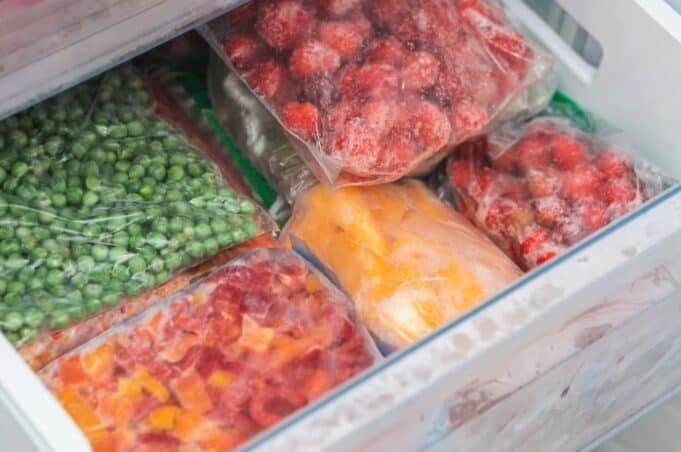
São Paulo City Hall is bringing two sequential classes on efficient food-freezing techniques to the city’s North Zone on November 10 and 17, from 1 p.m. to 4 p.m., with nutritionist Legiane Rigamonti, former host of a program on healthy eating. The workshops are free, with online registration through Sympla. No experience in the food field is required, and minors may attend as long as they are accompanied by a parent or guardian.
On the 10th, the class is dedicated to the theory of food freezing. Students will also learn the advantages over the conventional cooling of home refrigerators. On November 17, it will be time for the hands-on class, where students will put into practice what they learned the week before. They will get tips on how to choose packaging according to their purpose, which packaging to avoid, and ways of organizing food that will make freezing and product identification more efficient.
“I find this topic interesting because freezing food is not as simple as, for example, moving your food to a container and leaving it in the freezer — and how many times do we do that, right? There are some precautions that those of us who love cooking should take, not only to extend shelf life but also to preserve satiety, texture, color and flavor, and this information doesn’t reach people, I believe largely because people simply think there is no technique or secret to it. So this proper method, which I will teach at CRESAN Vila Maria, will help you avoid wasting the food you buy, helping your finances, and give you more practicality in your day-to-day meal planning. I hope everyone can take part!”, said Legiane Rigamonti, who leads the workshops.
There are currently two CRESAN units, one in the Butantã neighborhood and another in Vila Maria. Both are run by gastronomic educator and chef Helita Honda. The workshops are weekly, open courses focused on sustainable, healthy recipes designed especially for people in situations of social vulnerability. In 2025, both CRESAN units held 141 activities, training more than 2,500 people who, with the new professional skills they acquired, can broaden their economic autonomy and seek a return to the job market. In 2026, 323 activities have already taken place, with more than 7,000 people served.
Event details
Food Freezing Workshop – with Legiane Rigamonti
- When: November 10 and 17, from 1 p.m. to 4 p.m.
- Where: CRESAN Vila Maria | Rua Sobral Júnior, 264 – Vila Maria Alta
- Tickets: free – limited tickets; claim them on the website
- Age rating: All ages – Adult
What are the CRESANs
The Food and Nutrition Security Reference Centers (CRESANs) are community public facilities run by São Paulo City Hall. Far more than physical structures, the CRESANs work as hubs for learning, dialogue, community life and social engagement. They are places where residents find educational activities, cooking workshops, qualification courses, awareness actions and initiatives that encourage autonomy, social inclusion and community development.
Thus, the CRESANs establish themselves as integrated centers for training, inclusion and transformation. By combining nutrition education, professional training, support for entrepreneurship and the promotion of access to adequate food, they directly help strengthen families’ autonomy, expand opportunities and build a fairer, healthier, more sustainable and more welcoming city. Follow our services on our official Instagram channels and on our official website.
São Paulo has the largest food security program on the planet, according to Guinness. In December 2025, the city of São Paulo was internationally recognized by GUINNESS WORLD RECORDS™ as holder of the world’s largest municipal food security program. More than 933 tons of food were distributed in 24 hours, and the municipality reached more than 3 million free meals per day, including deliveries of ready-made meals, fresh produce and food baskets to low-income people.